
Why are disposable glove prices going up in 2026?
The main driver is trade policy. U.S. Section 301 tariffs on medical gloves from China (HTS 4015.12.10) rose from 50% to 100% on January 1, 2026, after an increase to 50% in 2025. That pushed buyers toward gloves made in Malaysia, Thailand and other countries, raising demand and prices there too. Raw material, freight and currency moves add to it.
What changed
Section 301 tariffs on Chinese medical gloves were raised in steps: to 50% in 2025 and to 100% on January 1, 2026. Food service gloves are not always classified as medical gloves, and other tariffs can apply depending on the country of origin and product, so the effect varies by glove and supplier.
Even gloves not directly hit by the tariff got more expensive, because importers moved orders to other producing countries at the same time.
How to protect your glove costs
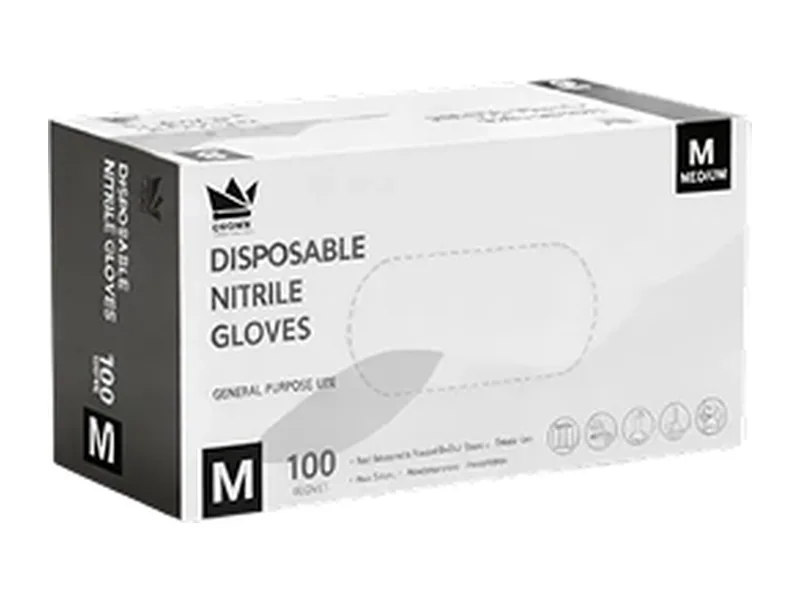
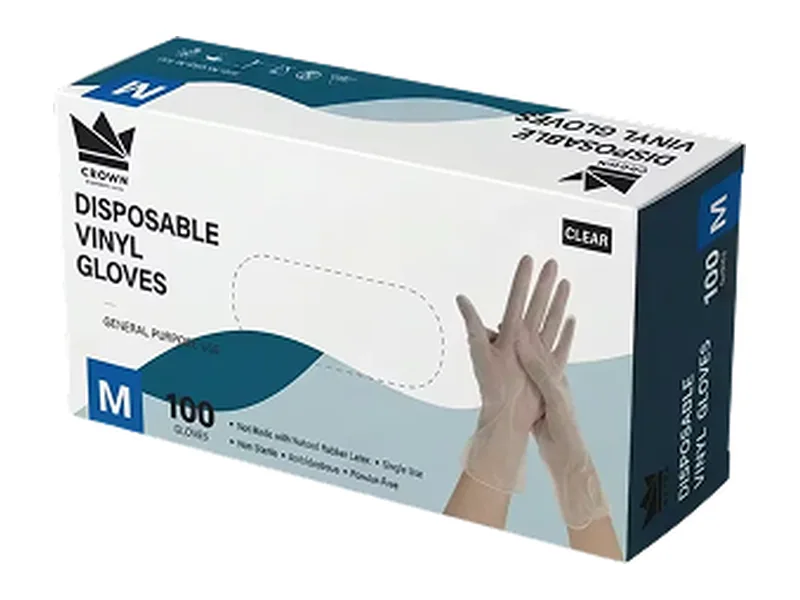
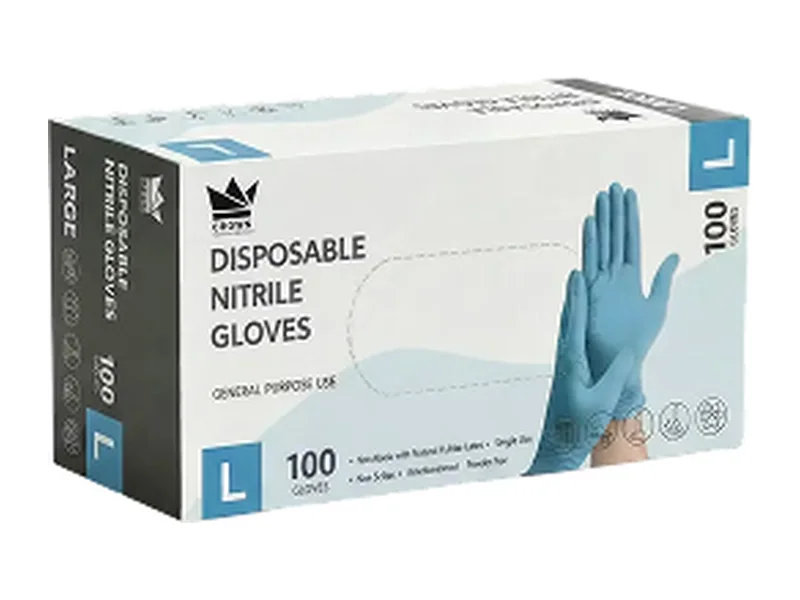
1. Use the right glove for each job: vinyl or Synmax for short tasks, nitrile only where you need it. Our glove cost per shift guide shows the math.
2. Buy by the pallet when you can. Pallet pricing and fewer shipments lower cost per glove.
3. Ask your supplier for a price hold on a committed quantity for a set period.
4. Keep a second approved glove (for example black nitrile and blue nitrile) so a shortage of one doesn't stop the kitchen.
5. Re-quote at least twice a year while tariffs keep changing.
Why glove prices went up (2026): common questions
Why are nitrile gloves more expensive in 2026?
What is the Section 301 tariff on gloves from China in 2026?
Will glove prices go down?
Sources
- Tariff updates: looking ahead (HIDA, Jan 2026)
- USTR finalizes significant tariff increases on PPE (HIDA)
General information, not legal or customs advice. Tariff rules change; confirm current rates for a specific product and origin.
Need these sizes by the case or pallet?
Send your list and we'll quote products and freight to your ZIP code together.